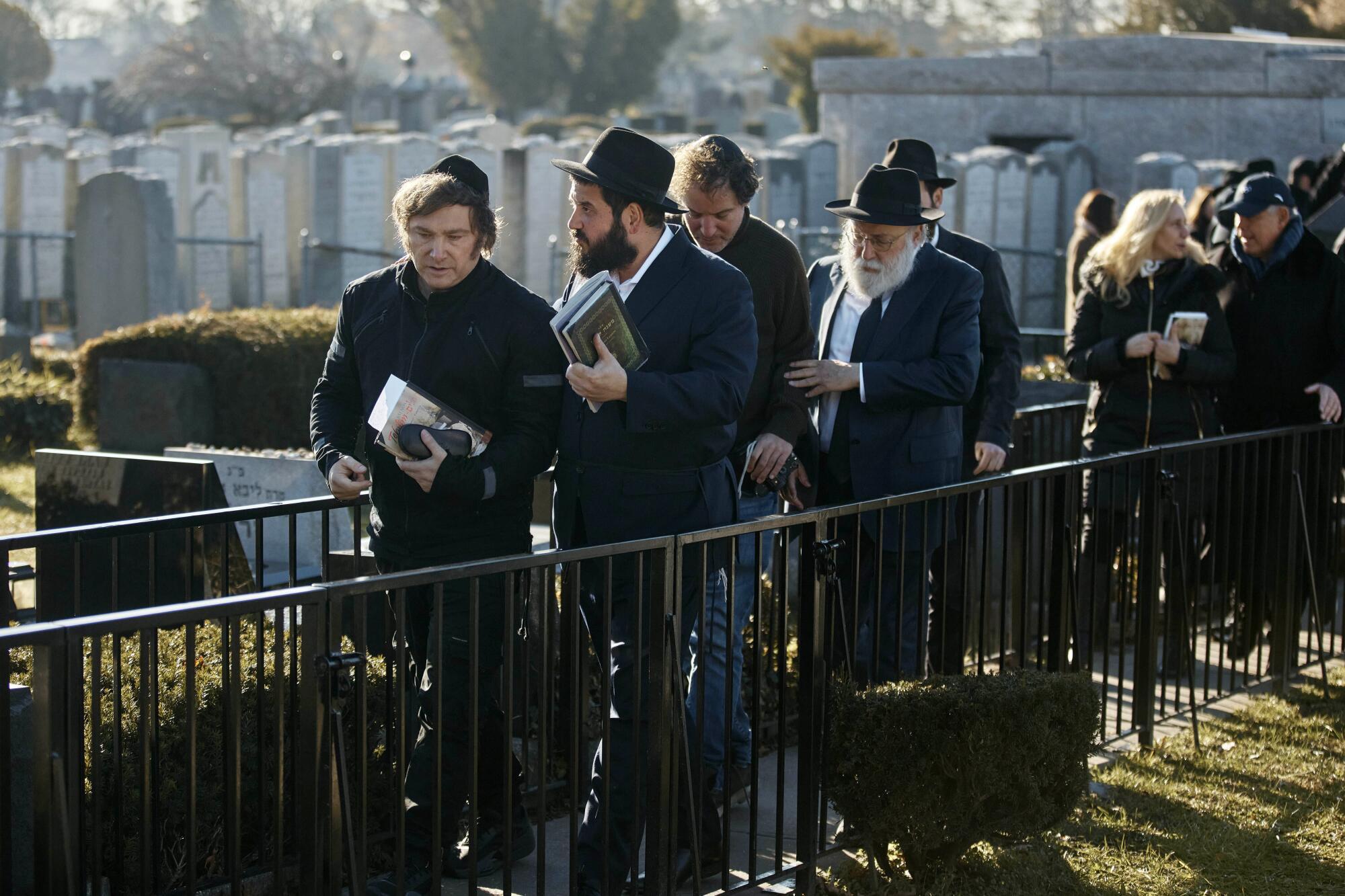
When Pope Benedict XVI visited a synagogue in Cologne, it marked a momentous occasion for interfaith dialogue—but it also opened an avenue for controversy and criticism. The imagery was potent: the Vicar of Christ seated beside a Menorah of considerable size, stirring worldwide attention. Yet, the intent behind this gesture led to unexpected outcomes and reignited historical debates.
Understanding the Synagogue Visit
In August 2005, Pope Benedict XVI made an impactful decision to visit a synagogue in Cologne, Germany. This event raised questions about the purpose of such a visit from the head of the Catholic Church and what it signified for Catholic-Jewish relations.
The Papal Gesture and Its Reception

The Pope's choice to attend the synagogue was a profound gesture, intended to promote unity and understanding between different faiths. However, the event prompted more than just a shared moment of reflection; it generated further critiques of the Catholic Church's role during World War II.
A Platform for Historical Challenge
As Pope Benedict, a German, sat respectfully next to the Menorah, individual voices within the Jewish community, like Abraham Lehrer, seized the moment to press the Holy See for transparency concerning the Vatican's archives from the WWII era. Lehrer's statements exemplified a persistent search for accountability and veered the conversation towards an ongoing historical inquiry rather than mutual religious respect.
The Papacy in the Mirror of the Past
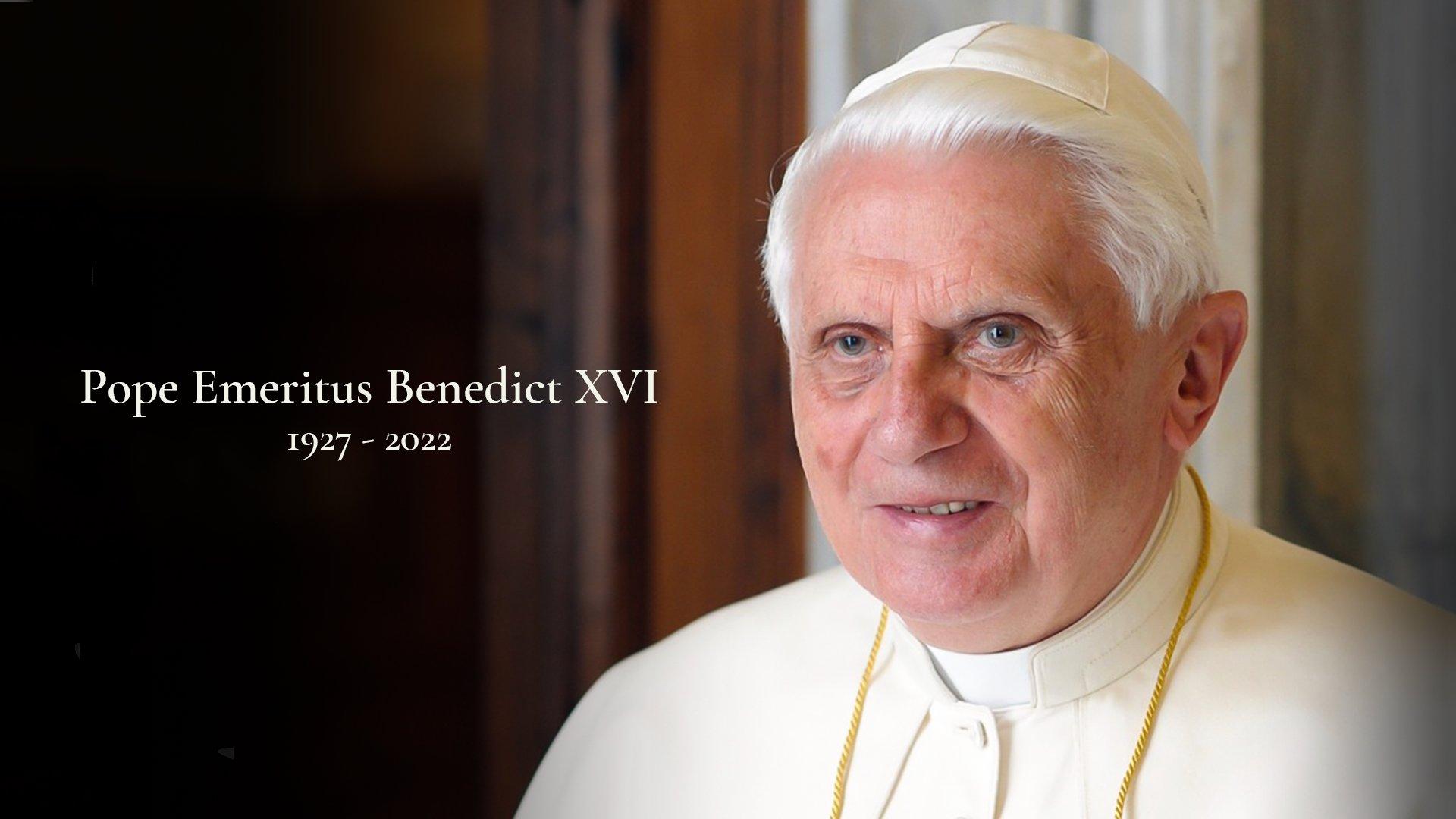
Pope Benedict XVI's German heritage was drawn into focus during the synagogue address—a reflection not only on his personal past but also on the historical responsibilities that some believe the Vatican still needs to shoulder.
Rethinking Interfaith Engagements
The synagogue visit evoked mixed responses. On the one hand, it represented a step towards acknowledgement of the past and a gesture of hope for the future. On the other, critics argue that it gave a platform to undermine the Church, reviving accusations against Pope Pius XII and his wartime actions. Lehrer's direct approach and the absence of formal acknowledgment of Pope Benedict's position showcased a stark departure from expected interfaith dialogue practices.
Conclusions and the Road Ahead
The visit to Cologne's synagogue was indeed historical—it presented an opportunity for reconciliation, but also highlighted the enduring divisions and the complexities of Catholic-Jewish relations. The palpable strain between honoring the past and navigating present sensitivities demonstrates the delicate nature of such interfaith engagements.
In a broader context, as pilgrimages and interreligious visits continue, the travel industry subtly adapts. Cultural heritage sites, including places of worship, become focal points for accommodation services catering to the spiritually-inclined traveler. The serenity or reflection sought in these visits is often complemented by the hospitality industry, which provides respite before and after engaging with heavy historical narratives. While the Pope's visit to Cologne resonates with historical weight, it also reflects on how travel and theological pursuits intertwine—each journey offering a chance to learn, reconcile, and hope for a shared future.
Albufeira
- Grand Muthu Forte Da Oura
- Salgados Palm Village
- Nau Sao Rafael Suites
- Albufeira Sol Hotel & Spa
- Falesia Hotel
- Santa Eulalia Hotel & Spa
- Paraiso De Albufeira
- Vila Petra
- Ap Victoria Sports & Beach
- Holidays To Albufeira
- Albufeira Holidays
- Resorts Close To Albufeira
Lisbon
- Pink Street Lisbon
- Lx Factory Lisbon
- Jupiter Lisboa Hotel
- Lisboa Pessoa Hotel
- Holidays To Lisbon
- Cheap Hotels In Lisbon Portugal
- Best Lisbon Hostels
- Best Family Hotels Lisbon
- Vacation Rentals Lisbon Portugal
- Lisbon Portugal Beach Resorts
- Places To Stay In Lisbon City Centre
- Best Boutique Hotel Lisbon
Vilamoura
- Vila Gale Marina
- Parque Mourabel Oasis Village
- Vilamoura Garden Hotel
- Vilamoura Holidays
- Portugal Vilamoura
Funchal (Madeira)
- Girassol Suite Hotel
- Alto Lido Hotel
- Pestana Promenade
- Accommodation In Funchal Madeira
- Holiday Lettings Funchal